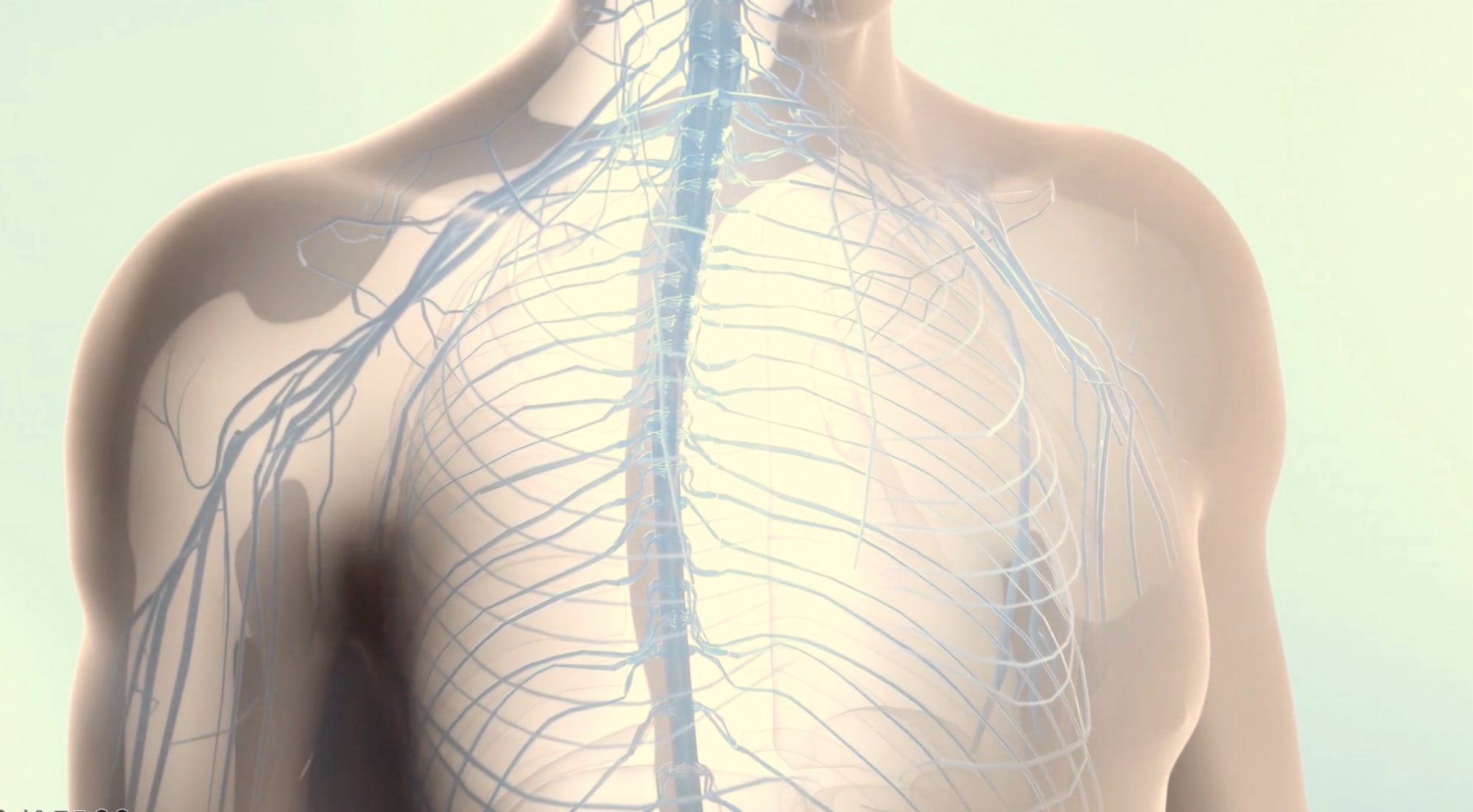
NG004 (Spinal Cord Injury)

Spinal cord injury is a severe neurological condition resulting from damage to the spinal cord, leading to loss of sensation and motor function below the site of injury. Neurimmune, through its affiliated company NovaGo Therapeutics, develops novel therapeutics for patients with spinal cord injury. Lead candidate NG004, an inhibitor of Nogo-A function, is designed to induce neuronal regeneration. A Phase 2 study is planned to be initiated in 2026.

Need to Restore Neuronal Connectivity

The impact of spinal cord injury on daily life can be profound, as paralysis and sensory deficits significantly limit independence and mobility. Recovery is hindered by the central nervous system’s very limited ability to regenerate damaged nerve fiber tracts or form new neural connections. Despite advances in acute care and rehabilitation, no therapy currently exists that can effectively promote regeneration and repair of the injured spinal cord.

Partnership with Novago Therapeutics

Neurimmune, in a strategic partnership with Novago Therapeutics, discovered human antibodies that selectively block and neutralize Nogo‑A, one of the most potent inhibitors of nerve fiber regeneration in the central nervous system. By targeting this key regulator of axonal growth, NG004 is designed to promote neuronal repair and support functional recovery after spinal cord injury.

For more information, please visit novagotherapeutics.com

True breakthroughs in spinal cord injury will come from enabling the nervous system to rebuild itself. Our therapeutic approach is designed to stimulate neuronal regeneration and help restore lost function.

Stefan Moese, SVP Research & Technology and CEO of Novago Therapeutics

Preparing for Phase 2

NovaGo Therapeutics has initiated the Phase 1b SPROUT trial evaluating NG004 for the treatment of acute spinal cord injury. This multicenter, multi‑country study will assess the safety and pharmacology of the anti‑Nogo‑A antibody in up to 12 patients, with four clinical sites in Germany and two in Switzerland actively recruiting. A subsequent Phase 2 clinical study is currently being prepared.